When camels and carts were the only means of transport across deserts, camels had a significant role in trade. Caravans of camels were constantly passing through the regions of Sindh, Rajasthan, and Kachchh, carrying trade items like opium, silk, indigo, iron, ivory, dates, coconuts, perfumed wood, and dry fruits.
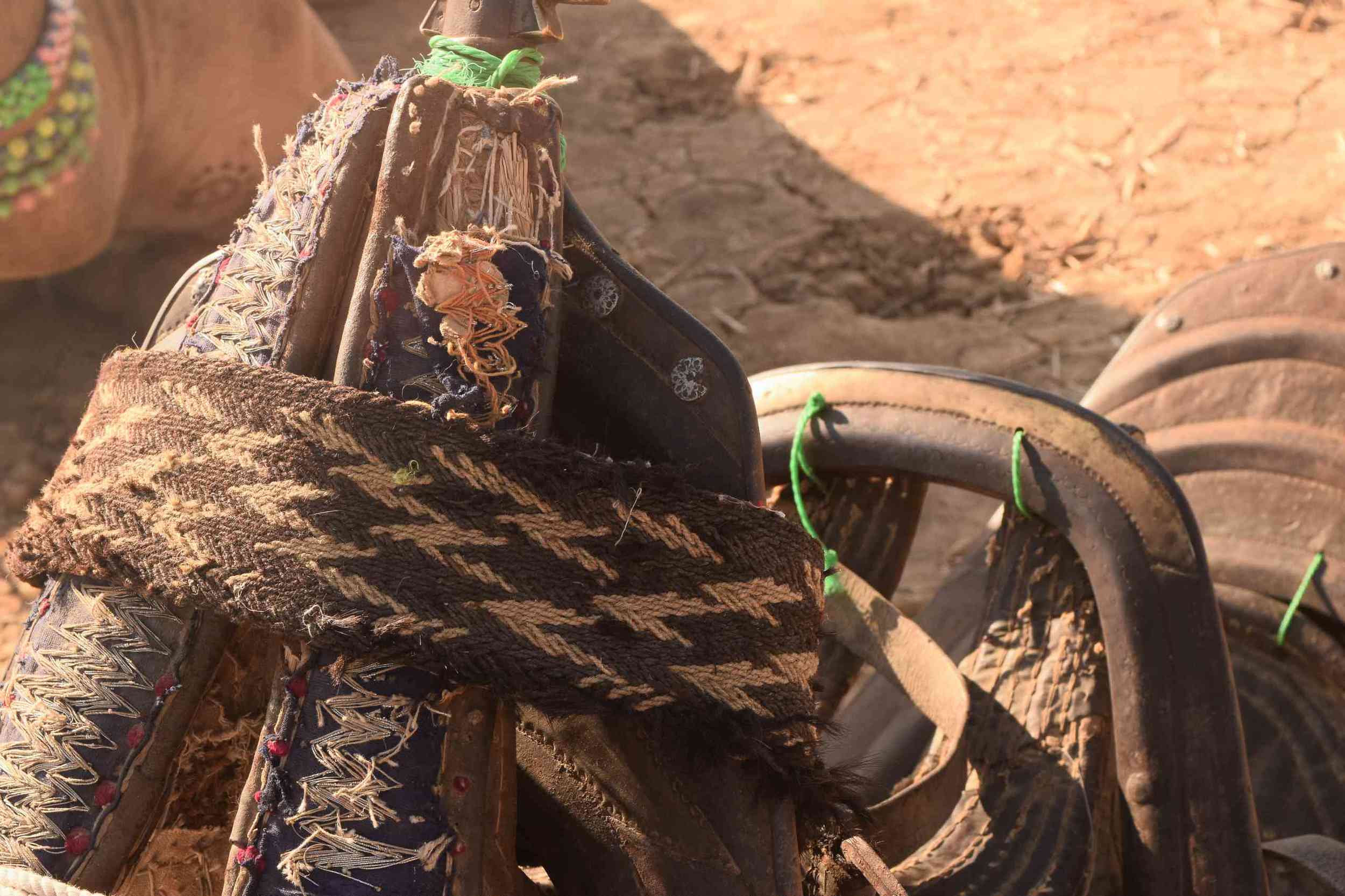
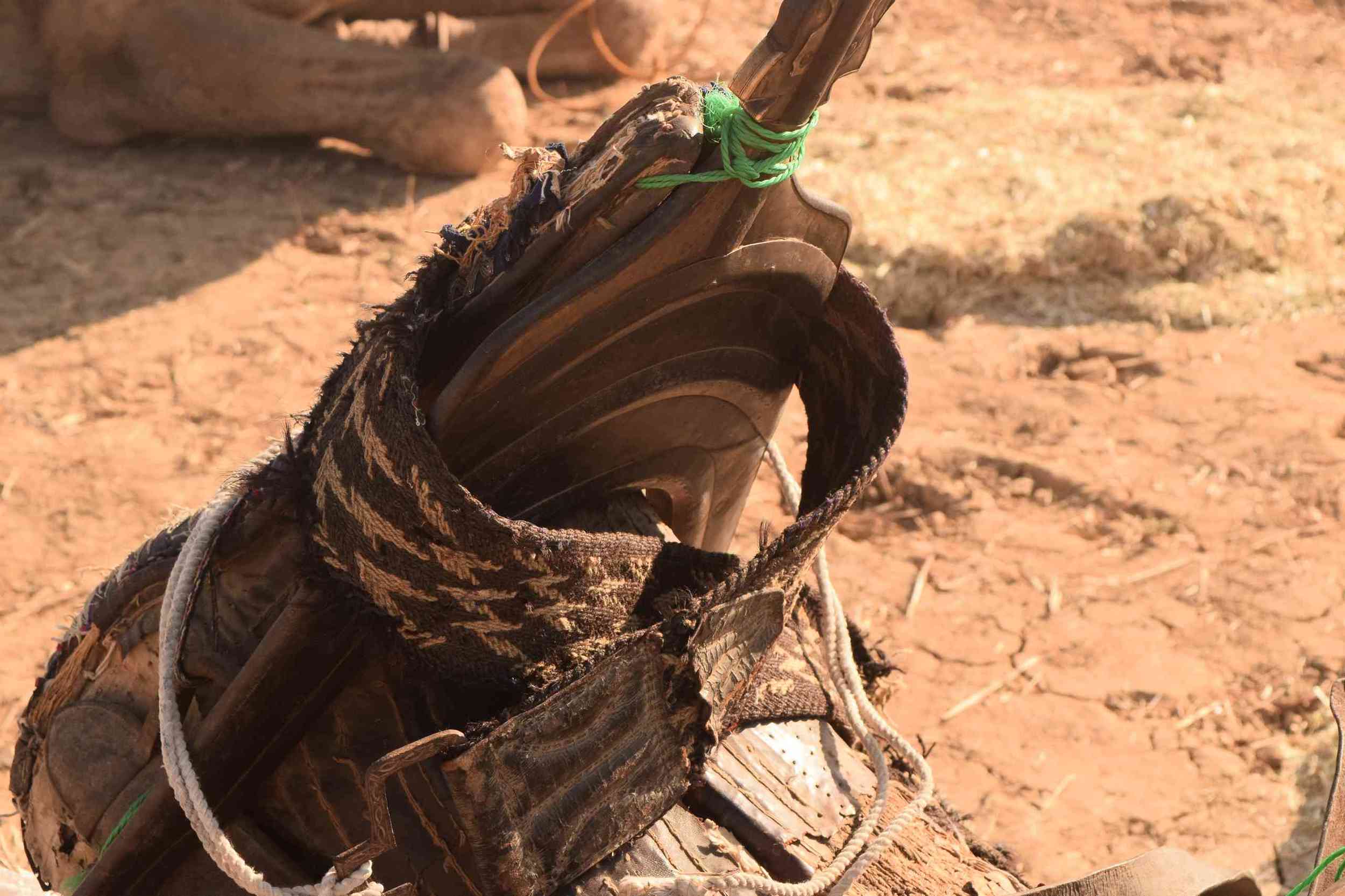
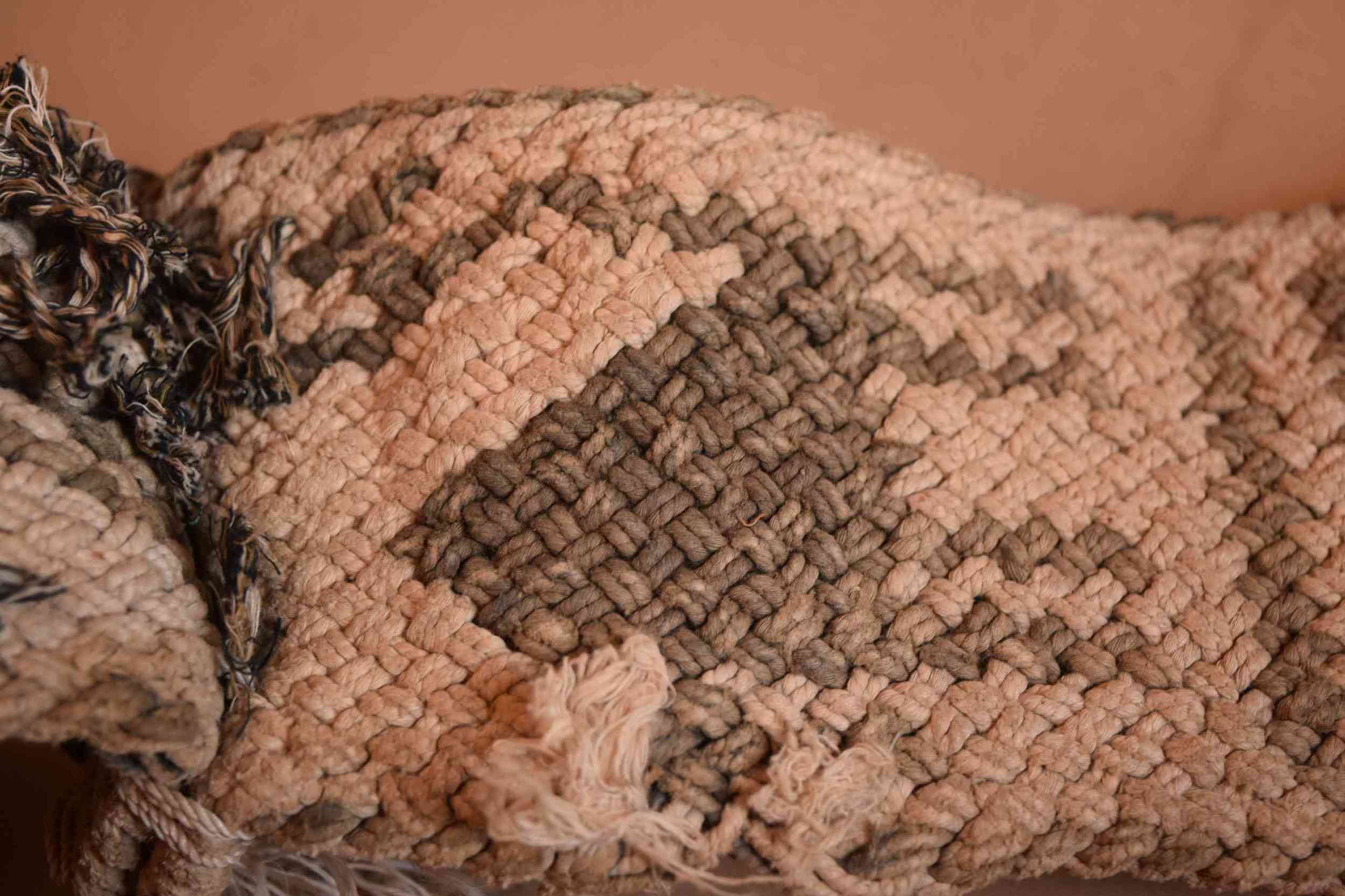
Tangs were used to secure the many trading goods. The tang is a belt tied to one side of the wooden saddle on the camel, passes around the animal’s neck and under its tail, and is tied to the saddle on the other side. Since the wooden saddle is typically quite long, two tangs are used to secure it. The front belt is patterned, while the back belt is typically left unpatterned.